
One process, four layers.
Academy teaches the concepts. This page shows how they connect. Context, structure, liquidity and execution are not separate skills. They are four stages of one decision.
Context
Start with the broader environment. Trend, volatility and conditions decide whether a session is worth trading. Context comes first because it filters everything after it.
Structure
Read direction from what the market does. Higher highs, lower lows, breaks and shifts. Structure turns a chart into a readable bias instead of a guess.
Liquidity
Find where interest is concentrated. Prior highs, lows and unfilled areas show where price is likely to react. Liquidity points to where structure plays out.
Execution
Turn analysis into a decision. Entry, invalidation and target, defined before you act. Execution is where the first three layers become a plan.
Context
Is the environment worth trading? If not, you stop here.
Structure
Context passed. Does structure confirm a direction?
Liquidity
Direction established. Where is price most likely to react?
Execution
The layers align. Now define entry, risk and target.
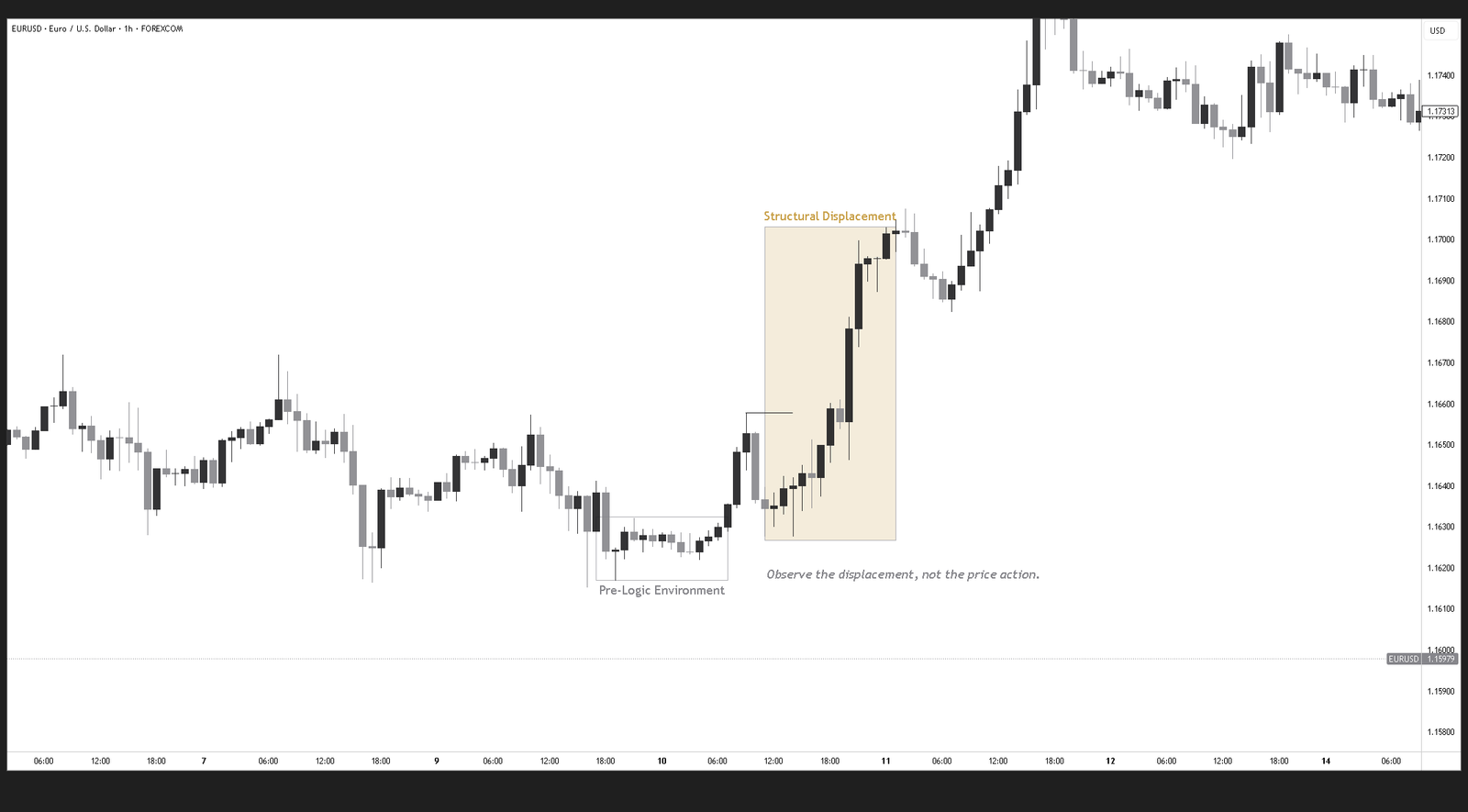
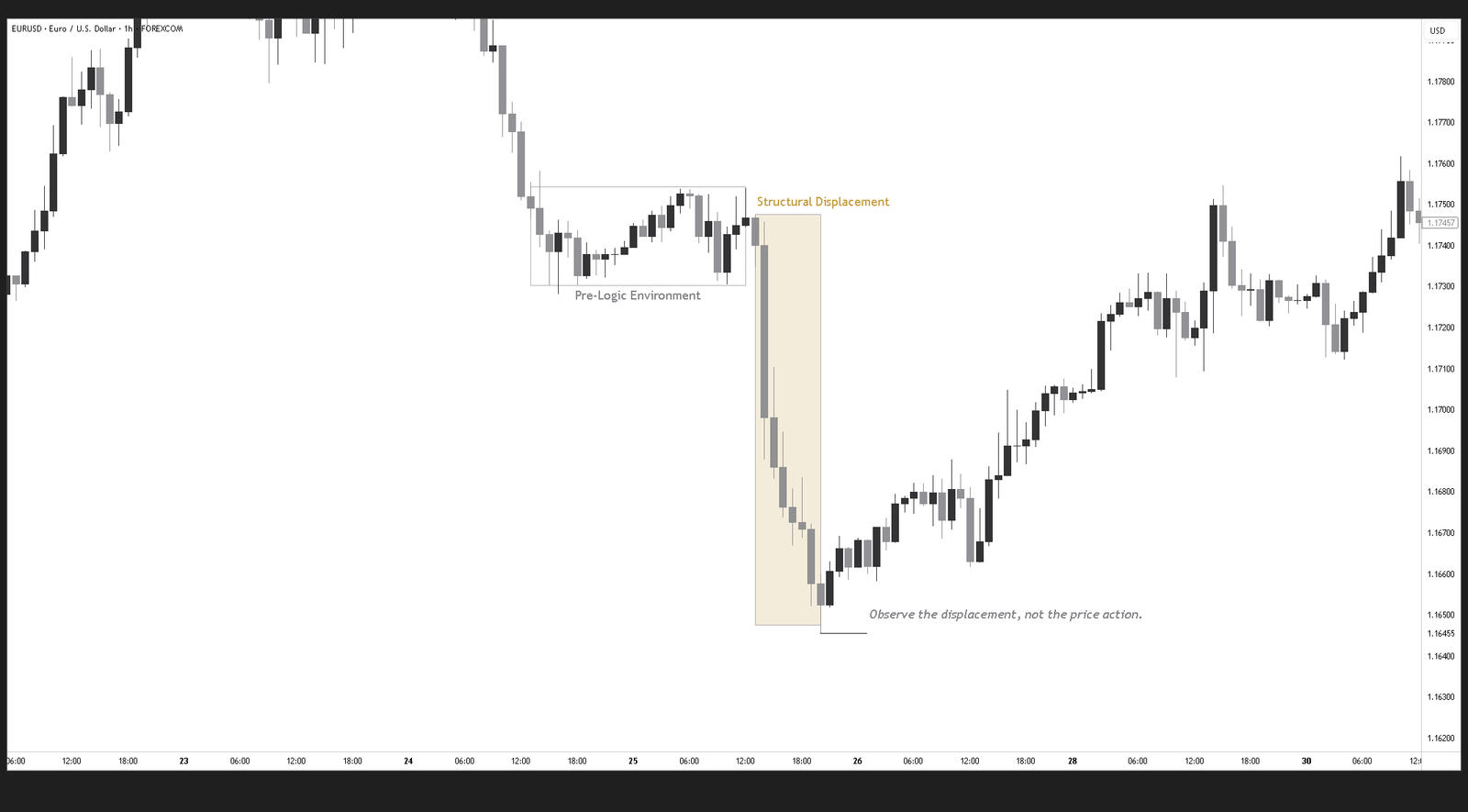
Structure in context
Here the four layers line up on a real chart. Context sets the bias, structure confirms direction, and price reacts at a liquidity level. Toggle between the bullish and bearish read to compare.
What this framework does not provide.
No signals
No buy or sell calls and no alerts to follow.
No guarantees
No promised win rates and no guaranteed outcomes.
No shortcuts
No hidden entries and no copy trading. You apply the process yourself.
Who This Is For
- Learners who finished some Academy lessons and want to connect them.
- Traders who value a repeatable process over single tips.
- People who want to understand their decisions, not outsource them.
Who This Is Not For
- Anyone looking for trade calls or signals to copy.
- Traders chasing fast, high-risk setups.
- People who want results without learning the process.